

ม.หอการค้าไทย ยกระดับความเป็นผู้นำด้านความยั่งยืน ครอบคลุม 4 SDGs ใน THE Sustainability Impact Ratings 2026
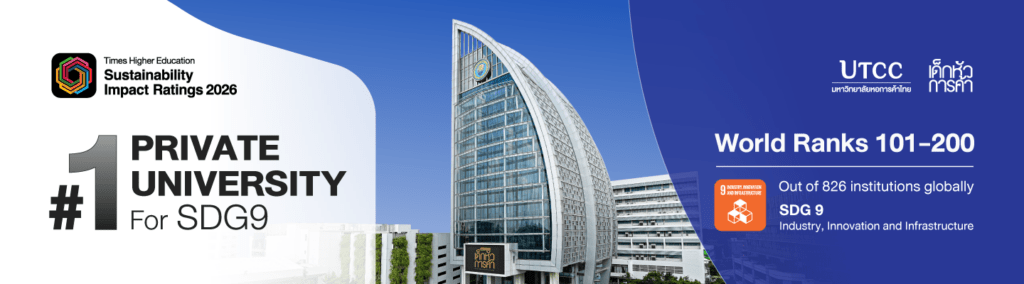
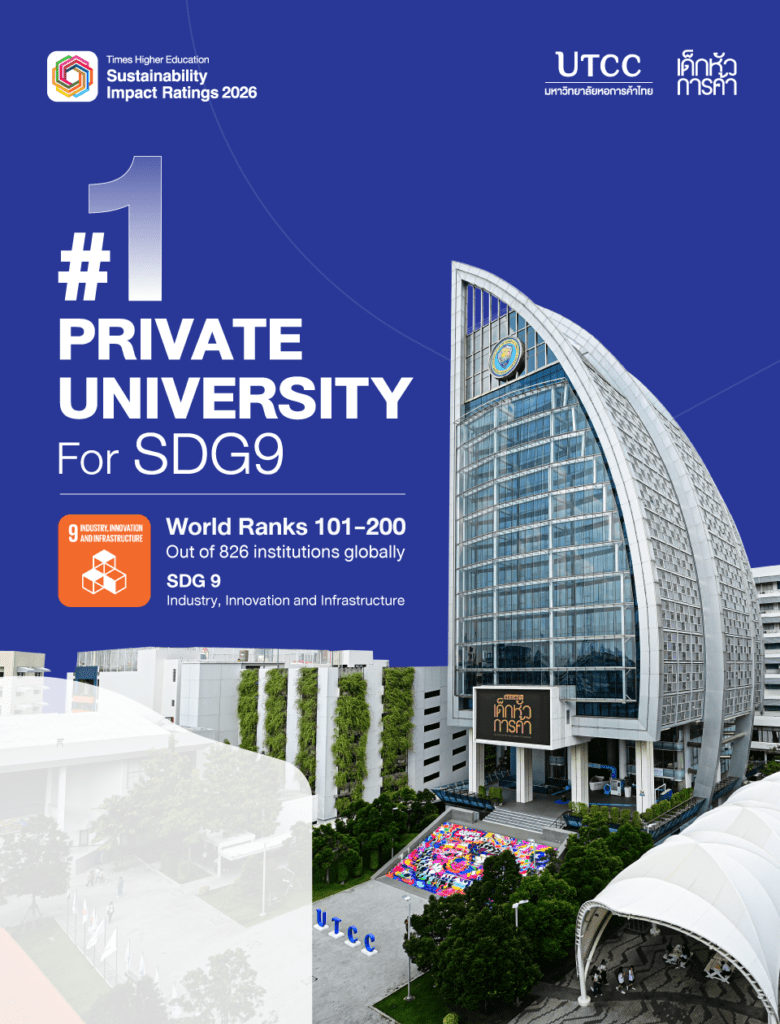
มหาวิทยาลัยหอการค้าไทยคว้าอันดับ 1 ในบรรดามหาวิทยาลัยเอกชนไทยใน SDG 2, SDG 7, SDG 9 และ SDG 14 พร้อมรักษาอันดับ 1 ใน SDG 9 ต่อเนื่องเป็นปีที่สอง
กรุงเทพมหานคร, มิถุนายน 2569 — มหาวิทยาลัยหอการค้าไทย (UTCC) ประกาศความสำเร็จครั้งสำคัญใน Times Higher Education Sustainability Impact Ratings 2026 ด้วยการครองอันดับ 1 ในบรรดามหาวิทยาลัยเอกชนไทยใน 4 เป้าหมายการพัฒนาที่ยั่งยืนของสหประชาชาติ ได้แก่ SDG 2 (ขจัดความหิวโหย), SDG 7 (พลังงานสะอาดที่เข้าถึงได้), SDG 9 (อุตสาหกรรม นวัตกรรม และโครงสร้างพื้นฐาน) และ SDG 14 (ทรัพยากรทางทะเล) ทั้งนี้ UTCC ยังเป็น มหาวิทยาลัยเอกชนไทยเพียงแห่งเดียวที่ได้รับการจัดอันดับครอบคลุมทั้ง 17 SDGs สะท้อนถึงความกว้างและความต่อเนื่องของบทบาทความยั่งยืนที่มหาวิทยาลัยดำเนินมาอย่างจริงจัง
ที่สำคัญยิ่งกว่านั้น UTCC ยังคงรักษา อันดับ 1 ใน SDG 9 ติดต่อกันเป็นปีที่สอง หลังจากที่เคยครองความเป็นผู้นำใน THE Impact Rankings 2025 และต่อเนื่องมายัง Sustainability Impact Ratings 2026 ความสำเร็จต่อเนื่องนี้สะท้อนถึงความแข็งแกร่งอย่างยั่งยืนของมหาวิทยาลัยในด้านนวัตกรรม โครงสร้างพื้นฐาน งานวิจัยเชิงประยุกต์ และการขับเคลื่อนการเปลี่ยนแปลงด้วยเทคโนโลยี
“ความสำเร็จครั้งนี้ไม่ใช่เพียงตัวเลขในอันดับจัดอันดับ แต่เป็นสัญญาณว่า UTCC กำลังมีบทบาทในการกำหนดนิยามใหม่ของมหาวิทยาลัยที่พร้อมสำหรับอนาคต — มหาวิทยาลัยที่ใช้ความรู้ขับเคลื่อนนวัตกรรม ทำให้ความยั่งยืนเกิดผลจริง และสร้างคุณค่าที่ส่งออกไปไกลกว่ารั้วมหาวิทยาลัย ความรับผิดชอบของเรานับจากนี้ คือการยกระดับมาตรฐานให้สูงขึ้นอีก เพื่อประเทศไทยและเพื่อโลกใบนี้” รองศาสตราจารย์ ดร. ธนวรรธน์ พลวิชัย อธิการบดีมหาวิทยาลัยหอการค้าไทย เปิดเผยวิสัยทัศน์
The Times Higher Education Sustainability Impact Ratings เป็นหนึ่งในมาตรฐานระดับโลกที่ได้รับการยอมรับสูงในการประเมินบทบาทของมหาวิทยาลัยต่อการบรรลุเป้าหมายการพัฒนาที่ยั่งยืนของสหประชาชาติ โดยในปี 2026 มีการประเมินมหาวิทยาลัยจำนวน 1,646 แห่ง จาก 116 ประเทศและเขตเศรษฐกิจ ครอบคลุมตัวชี้วัดด้านการเรียนการสอน การวิจัย การบริหารจัดการ และการมีส่วนร่วมกับสังคม
ความโดดเด่นที่สุดของ UTCC ยังคงอยู่ที่ SDG 9: อุตสาหกรรม นวัตกรรม และโครงสร้างพื้นฐาน ซึ่งมหาวิทยาลัยได้รับการจัดอยู่ในกลุ่ม อันดับ 101–200 ของโลก และครอง อันดับ 1 ในบรรดามหาวิทยาลัยเอกชนไทย เป็นปีที่สองติดต่อกัน ผลลัพธ์ดังกล่าวสะท้อนยุทธศาสตร์ของ UTCC ที่มุ่งเน้นนวัตกรรม การเป็นผู้ประกอบการ ศักยภาพด้านดิจิทัล และการศึกษาที่ตอบโจทย์อนาคต
ความเป็นผู้นำดังกล่าวตั้งอยู่บนการเปลี่ยนแปลงเชิงสถาบันในวงกว้าง UTCC ได้วางตำแหน่งตนเองเป็น มหาวิทยาลัย AI University และพัฒนาโมเดล Smart Campus อย่างต่อเนื่อง เพื่อเชื่อมโยงการพัฒนาทางวิชาการเข้ากับความต้องการของเศรษฐกิจที่เปลี่ยนแปลงอย่างรวดเร็ว แนวทางด้านนวัตกรรมของมหาวิทยาลัยไม่ได้จำกัดอยู่เพียงการนำเทคโนโลยีมาใช้ แต่ยังครอบคลุมถึงการออกแบบหลักสูตร ความร่วมมือกับภาคอุตสาหกรรม และการส่งเสริมผู้ประกอบการรุ่นใหม่ให้สามารถสร้างคุณค่าจริงในโลกการทำงาน
ใน SDG 7: พลังงานสะอาดที่เข้าถึงได้ ผลการดำเนินงานของ UTCC สะท้อนถึงความมุ่งมั่นในระดับทั้งมหาวิทยาลัยต่อโครงสร้างพื้นฐานที่ยั่งยืนและการบริหารจัดการที่รับผิดชอบ มหาวิทยาลัยได้พัฒนาบรรยากาศของวิทยาเขตให้สนับสนุนการใช้พลังงานอย่างมีประสิทธิภาพ การดำเนินงานอย่างชาญฉลาด และการปลูกฝังวัฒนธรรมความยั่งยืนที่เห็นได้จริงในชีวิตประจำวันขององค์กร
สำหรับ SDG 2: ขจัดความหิวโหย ความสำเร็จของ UTCC สะท้อนบทบาทด้านงานวิจัยและองค์ความรู้เชิงประยุกต์ที่เกี่ยวข้องกับระบบอาหาร เศรษฐศาสตร์ ธุรกิจ และความมั่นคงของห่วงโซ่อุปทาน ในฐานะมหาวิทยาลัยที่เชื่อมโยงอย่างใกล้ชิดกับระบบเศรษฐกิจและภาคการค้าไทย UTCC ได้นำองค์ความรู้เชิงวิชาการมาสนับสนุนประเด็นที่ส่งผลต่อความมั่นคงทางอาหาร การพัฒนาภาคเกษตร และความยั่งยืนระยะยาวของประเทศ
มหาวิทยาลัยยังครองอันดับสูงสุดในบรรดามหาวิทยาลัยเอกชนไทยใน SDG 14: ทรัพยากรทางทะเล ซึ่งสะท้อนความมุ่งมั่นด้านการดูแลสิ่งแวดล้อมและการบริหารทรัพยากรอย่างมีความรับผิดชอบ แนวทางของ UTCC ตั้งอยู่บนความเชื่อว่า สถาบันการศึกษามีบทบาทโดยตรงในการปกป้องระบบนิเวศ ผ่านการดำเนินงานและการตัดสินใจภายในองค์กรของตนเอง
นอกเหนือจากผลการจัดอันดับ UTCC ยังขยายบทบาทด้านความยั่งยืนผ่านความร่วมมือที่สร้างประโยชน์สาธารณะอย่างต่อเนื่อง หนึ่งในตัวอย่างสำคัญคือการที่ UTCC Central Library เป็นสมาชิกของ GreenLibNet ซึ่งเป็นเครือข่ายความร่วมมือของห้องสมุดมหาวิทยาลัยและสถาบันต่าง ๆ ในประเทศไทยจำนวน 53 แห่ง ภายใต้กรอบความร่วมมือ MOU เพื่อส่งเสริมแนวปฏิบัติห้องสมุดสีเขียว การแลกเปลี่ยนเรียนรู้ และความร่วมมือด้านความยั่งยืน
ระบบนิเวศของ UTCC ยังตอกย้ำความเชื่อมโยงระหว่างความยั่งยืน นวัตกรรม และผลกระทบทางสังคม ผ่านงานวิจัยเชิงประยุกต์ โครงการส่งเสริมผู้ประกอบการ และความร่วมมือกับภาคเอกชนและภาครัฐ มหาวิทยาลัยจึงไม่ได้เป็นเพียงสถาบันการศึกษา แต่ยังเป็นสะพานเชื่อมระหว่างองค์ความรู้กับการพัฒนาประเทศ บทบาทของ UTCC จึงวัดได้ไม่เพียงจากการจัดอันดับ แต่จากขอบเขตของการสร้างคุณค่าให้แก่ขีดความสามารถในการแข่งขัน ความยืดหยุ่น และการเติบโตอย่างทั่วถึงของประเทศไทย
ก่อตั้งขึ้นในปี 1940 มหาวิทยาลัยหอการค้าไทยเป็นมหาวิทยาลัยเอกชนไม่แสวงหากำไรแห่งแรกและเก่าแก่ที่สุดของประเทศไทย และมีความสัมพันธ์อย่างเป็นทางการกับหอการค้าไทย ตั้งอยู่ในเขตดินแดง กรุงเทพมหานคร เปิดสอนตั้งแต่ระดับปริญญาตรีถึงปริญญาเอก ครอบคลุม 15 คณะและวิทยาลัย UTCC เป็นสถาบันหลักด้านการศึกษาธุรกิจ งานวิจัย นวัตกรรม และการพัฒนาเศรษฐกิจของประเทศ
ในฐานะ มหาวิทยาลัย AI-Integrated แห่งแรกของประเทศไทย UTCC ยังคงตอกย้ำบทบาทของตนในฐานะสถาบันระดับโลกที่พัฒนาคน สนับสนุนภาคธุรกิจ และขับเคลื่อนการเติบโตอย่างยั่งยืน ความร่วมมือเชิงยุทธศาสตร์ ศักยภาพด้านงานวิจัย และความมุ่งมั่นต่อการสร้างคุณค่าแก่สาธารณะ ทำให้ UTCC เป็นหนึ่งในเสียงสำคัญที่มีบทบาทในการกำหนดอนาคตของประเทศไทย
สำหรับ UTCC ความยั่งยืนไม่ใช่วาระเสริม แต่เป็นส่วนหนึ่งของอัตลักษณ์ พันธกิจ และทิศทางระยะยาวของมหาวิทยาลัย ความสำเร็จครั้งนี้ยืนยันข้อความสำคัญอย่างชัดเจนว่า UTCC กำลังสร้างสถาบันที่ไม่ได้มีหน้าที่เพียง “ให้การศึกษา” แต่ “เป็นผู้นำการเปลี่ยนแปลง” อย่างแท้จริง
UTCC Expands Its Sustainability Leadership Across Four SDGs in THE Sustainability Impact Ratings 2026
University of the Thai Chamber of Commerce secures No. 1 among Thai private universities in SDG 2, SDG 7, SDG 9, and SDG 14, while retaining top position in SDG 9 for the second consecutive year
BANGKOK, Thailand — June 2026 — The University of the Thai Chamber of Commerce (UTCC) has achieved a landmark recognition in the Times Higher Education Sustainability Impact Ratings 2026, securing the No. 1 position among Thai private universities in four United Nations Sustainable Development Goals: SDG 2 (Zero Hunger), SDG 7 (Affordable and Clean Energy), SDG 9 (Industry, Innovation and Infrastructure), and SDG 14 (Life Below Water). UTCC is also the only Thai private university ranked across all 17 SDGs, reflecting the breadth and consistency of its sustainability leadership.
Most significantly, UTCC has retained the No. 1 position in SDG 9 for two consecutive years, having also led Thai private universities in the THE Impact Rankings 2025 and continuing that lead in the 2026 Sustainability Impact Ratings. This back-to-back result reflects sustained strength in innovation, infrastructure, applied research, and technology-enabled transformation.
“This recognition is more than a ranking. It is a signal that UTCC is helping define what a future-ready university must become: a place where knowledge drives innovation, sustainability becomes action, and impact reaches far beyond the campus. Our responsibility now is to raise that standard even higher, for Thailand and for the world,” said Associate Professor Thanavath Phonvichai, Ph.D., President of the University of the Thai Chamber of Commerce.
The THE Sustainability Impact Ratings are among the world’s most respected global benchmarks for university contribution to the United Nations Sustainable Development Goals. The 2026 edition assessed 1,646 universities from 116 countries and territories, using indicators across research, stewardship, outreach, and teaching.
UTCC’s most visible global distinction remains SDG 9: Industry, Innovation and Infrastructure, where it is ranked 101–200 globally and No. 1 among Thai private universities for the second consecutive year. The result reflects a university strategy built around innovation, entrepreneurship, digital capability, and future-ready education.
That leadership is grounded in a broader institutional transformation. UTCC has positioned itself as Thailand’s first AI-Integrated University and has steadily expanded its smart-campus model to align academic development with the needs of a rapidly changing economy. The university’s approach to innovation is not limited to technology adoption alone; it extends to curriculum design, industry collaboration, and entrepreneurial development that prepares students to create value in the real world.
In SDG 7: Affordable and Clean Energy, UTCC’s performance reflects a campus-wide commitment to sustainable infrastructure and responsible operations. Rather than focusing on technical specifications, the university’s story in this area is one of scale and intent: a campus environment designed to support cleaner energy use, smarter operations, and a visible culture of sustainability across daily institutional life.
UTCC’s leadership in SDG 2: Zero Hunger underscores its contribution to research and applied knowledge in food systems, economics, business, and supply-chain resilience. As a university closely connected to Thailand’s commercial ecosystem, UTCC brings academic depth to issues that affect food security, agricultural development, and long-term sustainability.
The university also led Thai private universities in SDG 14: Life Below Water, highlighting its commitment to environmental stewardship and responsible resource management. UTCC’s environmental approach is grounded in the view that institutions have a direct role to play in protecting ecosystems through their own operations and decisions.
Beyond the rankings, UTCC continues to expand its sustainability footprint through partnerships that create public value. One notable example is the UTCC Central Library’s membership in GreenLibNet, a collaborative network of 53 university and institutional libraries in Thailand under an MOU framework to advance green library practices, shared learning, and sustainability-oriented cooperation.
UTCC’s broader ecosystem also reinforces the link between sustainability, innovation, and social impact. Through applied research, entrepreneurship initiatives, and partnerships with industry and public-sector stakeholders, the university continues to position itself as a bridge between knowledge production and national development. Its impact is measured not only by rankings, but by the extent to which its work contributes to Thailand’s competitiveness, resilience, and inclusive growth.
Founded in 1940, the University of the Thai Chamber of Commerce is Thailand’s oldest private non-profit university and is formally affiliated with the Thai Chamber of Commerce. Based in Bangkok’s Din Daeng district, UTCC offers programs from bachelor’s to doctoral level across 15 schools and serves as a major institution for business education, research, innovation, and economic development.
As Thailand’s first AI-Integrated University, UTCC continues to strengthen its role as a world-class institution that develops talent, supports enterprise, and advances sustainable growth. Its strategic partnerships, research capacity, and commitment to public value position it as a leading voice in shaping Thailand’s future.
About THE Sustainability Impact Ratings
The Times Higher Education Sustainability Impact Ratings assess universities against the United Nations Sustainable Development Goals. The ratings evaluate performance across research, stewardship, outreach, and teaching, providing a global lens on institutional contribution to sustainable development.
At UTCC, sustainability is not a separate agenda; it is part of the university’s identity, purpose, and long-term mission. This latest recognition affirms a simple but powerful message: UTCC is building an institution designed not only to educate, but to lead.